How does L.A. spend nearly $15 billion?


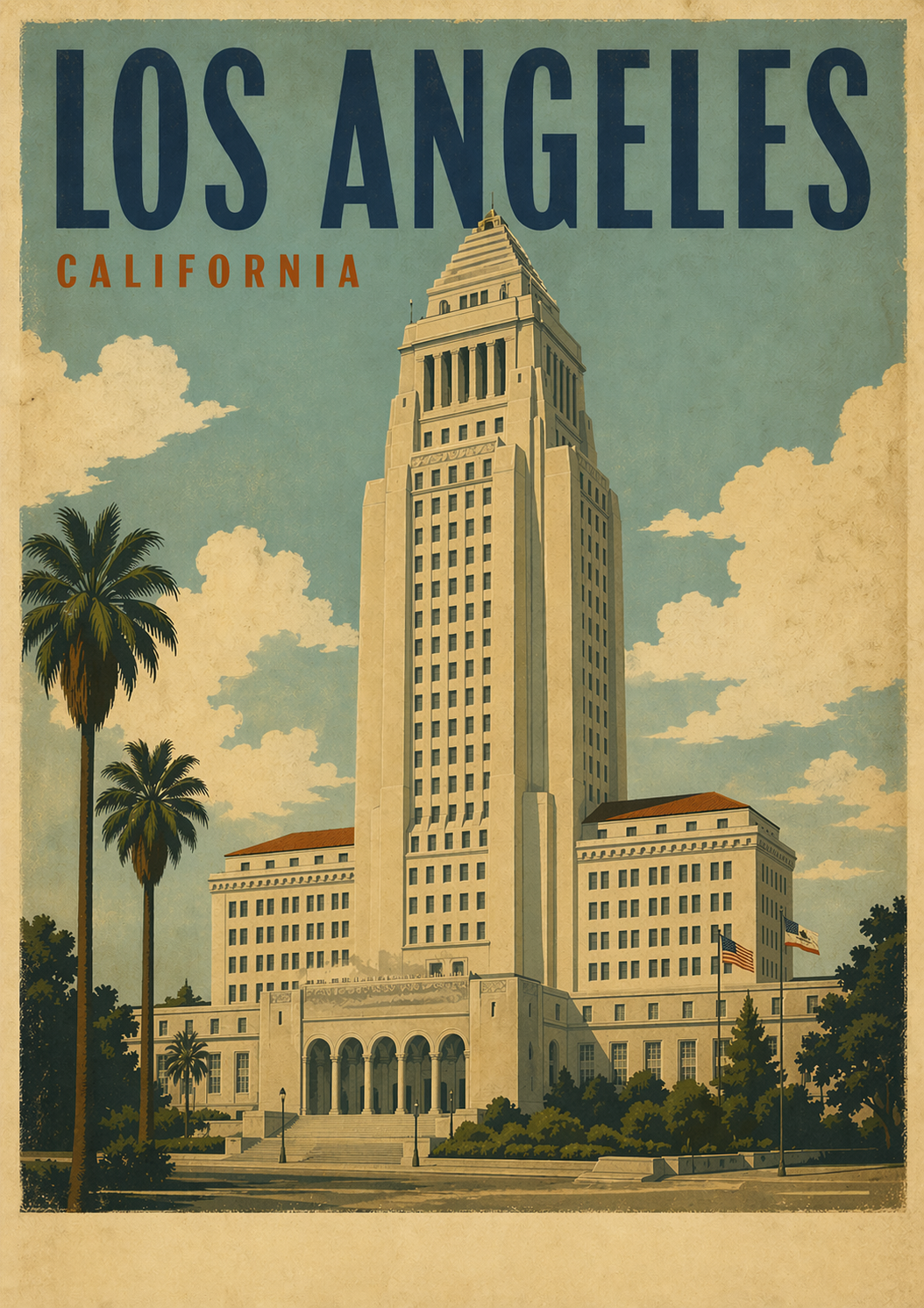
(Image generated with ChatGPT)
Mayor Karen Bass on Tuesday unveiled her proposed budget of $14.85 billion for the 2026-27 fiscal year, the largest in the city’s history. Because this is an election year, the budget deliberations carry higher stakes than usual.
The Los Angeles city budget is a sprawling document that runs more than 500 pages and determines everything from how many police officers the city can hire to the number of trees that get planted.
The mayor’s version is by no means the final word. The City Council now holds hearings that can often resemble haggling at a bazaar. The general managers of every city agency argue against proposed cuts and ask for more money to cover staff, materials and other expenses. Last year the council made significant changes to what Bass had initially proposed.
The budget is supposed to be buttoned up by June 1.
Get stats and data about your Los Angeles neighborhood with the Crosstown Neighborhood Newsletter.
How big is the budget?
Last year, city officials warned of a roughly $1 billion shortfall, triggering a scramble to cut services and reduce the workforce. Initially, more than 1,600 positions were targeted for elimination, but negotiations with municipal unions brought that number to zero.
In practice, many vacant positions were left unfilled, and a number of city employees were transferred into self-financing departments such as Los Angeles World Airports and the Department of Water and Power.
City spending has increased most years, driven by labor agreements, inflation, and broader economic pressures.
Where does the money go?
The $14.85 billion budget covers all city spending and revenue, but the most closely watched component is the general fund, which totals $8.59 billion. The remaining $6.2 billion is designated for specific purposes, including pension obligations.
The largest single expenditure is the Los Angeles Police Department, which accounts for approximately 24% of all spending—about $3.53 billion, slightly above the current fiscal year.
The Los Angeles Fire Department accounts for 9.8% of spending. The Department of Public Works receives 13.8%, a figure that must cover sewer repair, street paving, tree trimming and other services.
Other notable budget allocations include:
–The mayor’s office: 0.2% of the budget, or $27 million.
–The City Council: 0.51% of spending, or $76.2 million.
–The Department of Transportation: 2.7%, or $396 million.
–Bond redemptions and interest payments on borrowed funds: 0.78% of the budget.
–Cannabis regulation: $12.5 million.
Who’s on the job?
The city’s payroll includes nearly 34,000 full-time employees, along with numerous part-time and contract workers. The LAPD is the largest department, with 8,621 sworn officers and 2,450 professional staff. The proposed budget includes funding to hire 510 officers to replace those expected to retire. The city once had a goal of reaching 10,000 sworn officers, but that has been pared back for the time being.
Where does the money come from?
Property taxes are the single largest source of city revenue, financing roughly one-fifth of city government. The next largest categories are fees collected by city departments — from permits and fines — followed by a dedicated sewer maintenance tax.
Nearly 12% of city revenue is drawn from a patchwork of 75 different sources, ranging from bond measures approved by voters in past years to a special gas tax and parking citation revenue.
Among them: the Solid Waste Resources Revenue Fund, which accounts for 3.6% of city revenues, and the Cannabis Regulation Special Revenue Trust Fund, which finances 0.1%.
The Transient Occupancy Tax — a levy on hotel stays — generates 2.1% of the budget, a figure that rises with increased economic activity.
Much of this money is based on projections of revenue that hasn’t been collected yet. So, if the FIFA World Cup games Los Angeles is hosting this summer turn out to be a boon, the revenue could rise. The reverse could also occur.
How we did it: We examined the mayor’s current budget proposal, as well as budgets for the previous decade.
Have questions about our data or want to ask us something? Write to use at askus@xtown.la